First People Pots
  • Home
  • About the Collection
    • Introduction from the Collection Owner
    • Dedication
    • Some Uses of the Collection & Website
  • Appendices
    • Appendix A: Hopi Social History and the Transition from Polacca to Sikyatki Revival Style Pottery
    • Appendix B: A Tale of Two Pots: Ancient Sikyatki and bowl 1993-04: The Development of Nampeyo’s Style
    • Appendix C: Appreciations of Nampeyo
    • Appendix D: Ranking “Nampeyo” Pots
    • Appendix E: Nampeyo’s signed pottery, a history & theory
    • Appendix F: Nampeyo’s Design Elements
    • Appendix G: Stephen letter to Keam re Ayer collection
  • Works Cited
  • Press
Select Page
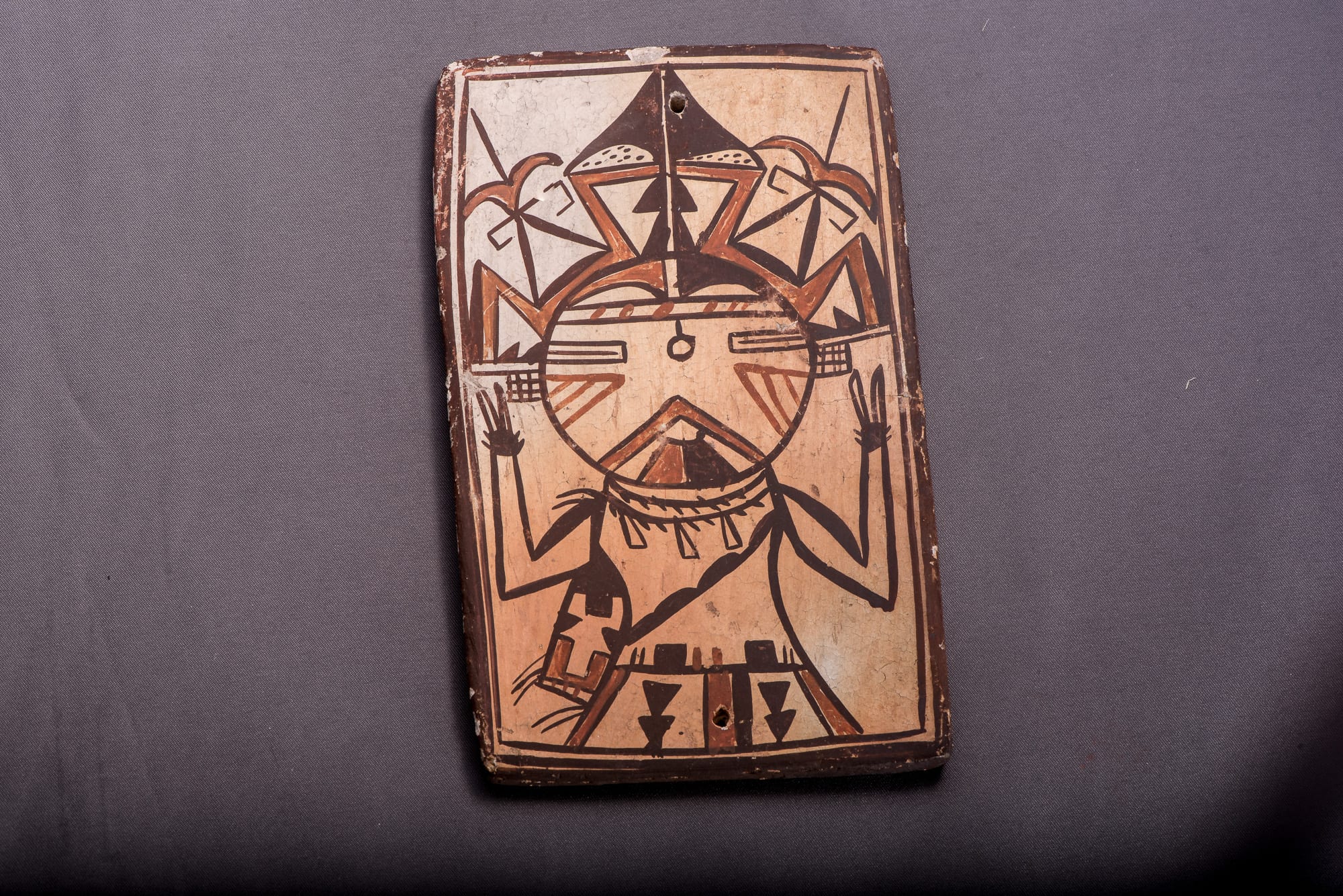
2014-10 Rectangular tile with polychromatic Polik’mana

2014-10 Rectangular tile with polychromatic Polik’mana

1880s to 1900 Transition Ware, Kachina Design, Polik'Mana, Tile, White-slipped, Nampeyo

Form: Since prehistoric times Hopi women formed flat “tiles” of clay that were fired and then ground to use as temper in the formation of pots. Some decorated tiles may have been made for ritual use in the kivas (Wright, 1977:64). In 1875 Thomas Keam opened the first...
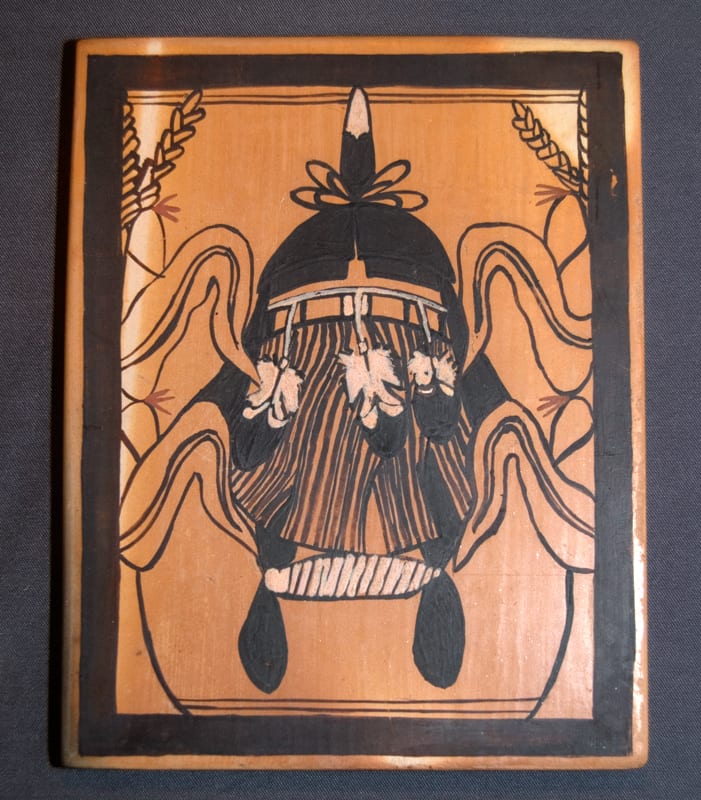
2009-26 Tile with Polychromatic Design of Long Hair Kachina and Corn

2009-26 Tile with Polychromatic Design of Long Hair Kachina and Corn

Kachina Design, Tile

Logan was born on 7/1/83 and, guided by brother Jake, has been making pottery for only one month. Logan, however, is a katchina carver and painter and this explains the fine painting and imaginative design of the corn and katchina image. (A photograph of a Pahlik Mana...
Next Entries »

Browse by Category

© 2003-2025 The Collection Owner and Holly Chervnsik. Web Design by SuburbanBuzz.com.
Online catalog developed by Holly Chervnsik as part of Master of Arts in Humanities Thesis at University of Houston - Clear Lake
Email holly@suburbanbuzz.com for questions, comments or corrections to the information herein.
Featured in Cowboys & Indians Magazine
Cleantalk Pixel